After being away on holiday for a few weeks, enjoying some valuable time with the children, I returned to quite a few electrical enquiries waiting for me. Several of them were about Electrical Installation Condition Reports, commonly known as EICRs,
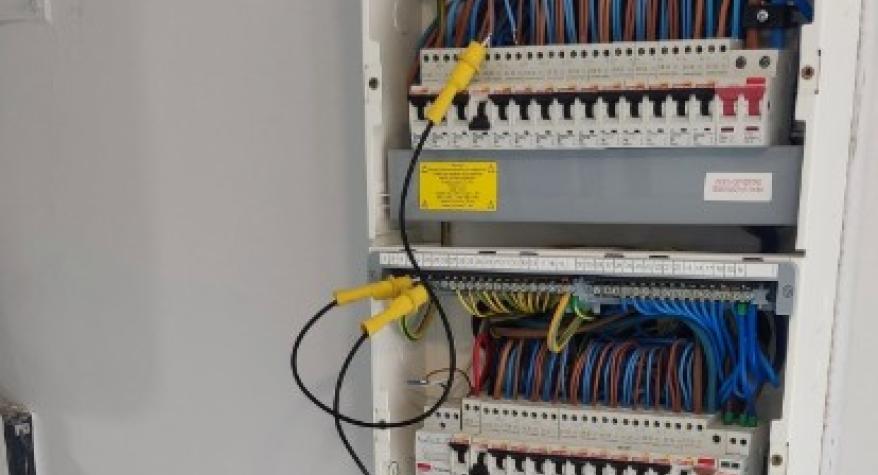
I have noticed recently that more people seem to be preparing their homes for sale. An EICR is not normally a legal requirement when selling your own home, but having the electrical installation inspected can give both the seller and the buyer greater confidence. It may also uncover smaller issues before they become last-minute surprises during the sale.
One recent inspection was for a long-standing customer who had bought a flat in central Reading. The property was relatively modern—just over ten years old—and the original electrical installation label showed that its next inspection was due this year.
Some people assume that an electrical installation of this age should still be completely fine. In many cases it is, but an EICR is about testing what cannot always be seen. Cables, connections and accessories may look perfectly normal from the outside while test results tell a different story.
High Resistance on Two Ring Circuits
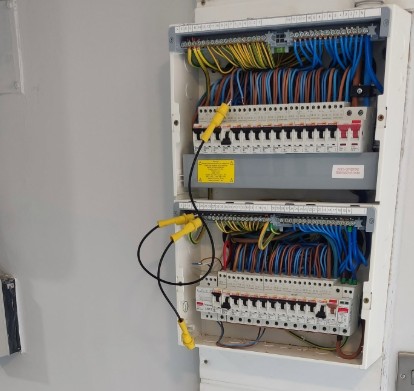
During the inspection, I recorded higher-than-expected resistance readings on two ring final circuits. This can sometimes be caused by a loose or poor connection at a socket or another point on the circuit.
A loose connection may create heat when electricity passes through it, so it should not simply be ignored. We investigated the circuits, found the areas that needed attention and improved the connections. After completing the remedial work, I tested the circuits again to confirm that the readings had improved.
This is a good example of why electrical testing matters. There were no obvious signs around the flat suggesting that something was wrong, and the sockets appeared to work normally. Without the EICR test results, the issue may have remained unnoticed.
If your property is due for an electrical inspection or you are preparing it for sale, IGT Electrical can carry out the EICR and clearly explain any findings or recommended improvements.
Bathroom Spotlights That Were Not Suitable
Another surprising finding was in the main bathroom and the en-suite. Several recessed spotlights were not suitably IP rated for their bathroom locations.
Bathrooms require additional consideration because electricity and moisture are not a good combination. Depending on where a light is installed, it may need a suitable level of protection against water and steam. A fitting that is acceptable in a bedroom or hallway is not automatically suitable for use in a bathroom.
Fortunately, this was straightforward remedial work rather than a major problem. We replaced the affected spotlights with suitable IP-rated fittings, providing a safer and more appropriate installation while keeping the appearance neat.
Why Washing Machines Should Not Use Extension Leads
Inside a hallway cupboard, I found a single socket with an extension lead being used for several items. These included a network router, a vacuum cleaner charger and the washing machine.
Whenever I see a washing machine plugged into an extension lead, it catches my attention. Washing machines, tumble dryers and dishwashers are relatively high-powered appliances and should normally be connected directly to a fixed wall socket. Their manufacturers commonly advise against using extension leads.
An extension lead can be overloaded, particularly if several appliances are connected at the same time. Poor-quality leads, tightly coiled cables or worn connections can also increase the risk of overheating.
The practical solution here was simple: I replaced the single socket with a double socket. The washing machine could then be plugged directly into one outlet, while the extension lead used the second outlet for the low-powered items such as the router and charger.
Small improvements like this do not require major disruption, but they can make everyday electrical use safer and more convenient.
Sometimes the Small Jobs Matter Too
Once the electrical work was complete, my customer asked whether I could help hang a mirror in the hallway. It only needed a couple of suitable fixings, so I was happy to do it while I was there.
I do not normally charge my customers for a tiny favour like that. For me, good service is not only about test results, certificates and electrical regulations. It is also about being helpful, treating the property with care and leaving the customer feeling that everything has been properly looked after.
This EICR showed that even a fairly modern property can have issues worth correcting. None of the findings required major rewiring, but together they made the installation safer and gave the customer greater confidence in their new home.
If you need an EICR in Reading, Wokingham or the surrounding areas, contact IGT Electrical to arrange an inspection and make sure your electrical installation is safe, compliant and ready for its next chapter.