Why an EICR Is More Than Just a Safety Certificate
An Electrical Installation Condition Report, commonly known as an EICR, is often seen as just another certificate that landlords need to obtain. But from my experience, it's much more than that.
It's an opportunity to properly examine the condition of a property's electrical installation and identify problems that might otherwise remain hidden for years.
I carry out EICRs across Wokingham, Reading, Bracknell and surrounding areas, inspecting everything from relatively new houses to older properties where the wiring has been altered or extended over time.
One thing I've learned is that you can't always judge electrical safety by how modern an installation looks. I've come across serious defects in relatively new properties, while some much older installations have been maintained in perfectly reasonable condition.
An EICR isn't simply about meeting regulations. It's about understanding whether the electrical installation remains safe for continued use.
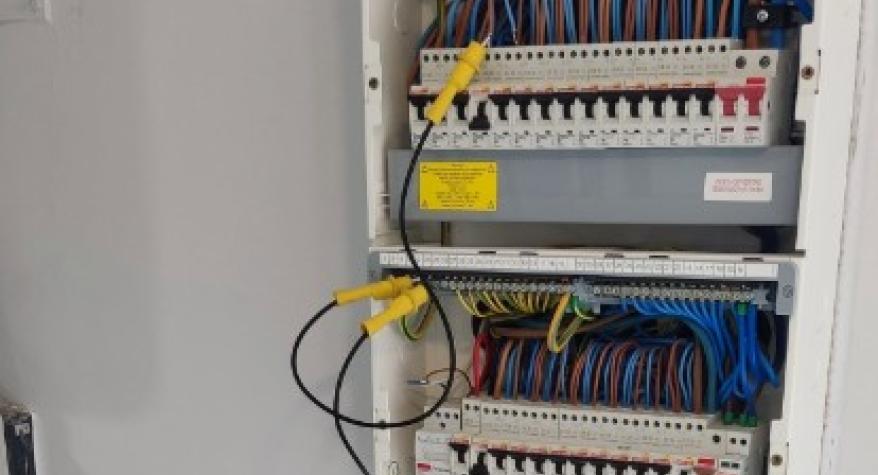
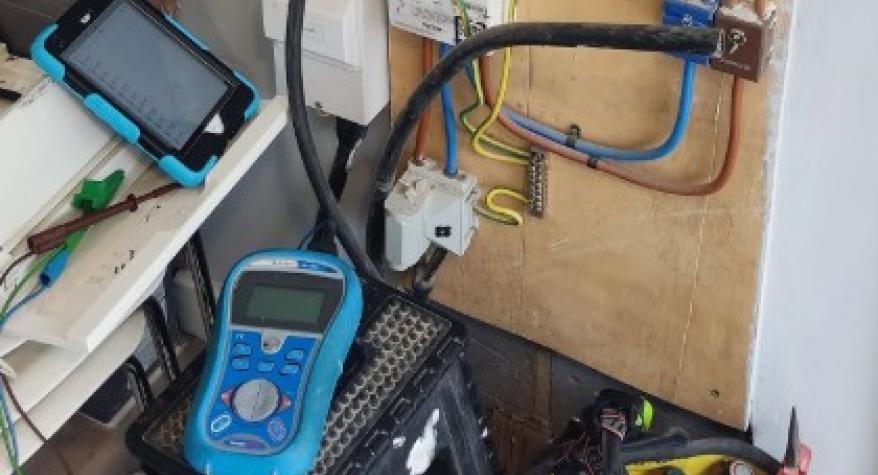
Back to topAn EICR involves both visual inspection and electrical testing. Each circuit is examined and tested, subject to any agreed limitations, to assess its condition and the effectiveness of the electrical safety measures.
The inspection normally includes:
I normally open approximately 25–30% of accessible electrical accessories to inspect the wiring and connections inside. If I discover problems, I may increase the sample to investigate further.
Of course, some limitations are unavoidable. For example, I cannot remove a sealed electricity supplier's main fuse, and sockets hidden behind fitted wardrobes or kitchen units may not be accessible.
Any relevant limitations are recorded in the report.
Back to topA recent inspection I carried out in Wokingham is a good example of why EICRs are important, even in relatively modern properties.
The house was quite new, and most of the electrical installation appeared to be in good condition.
However, when I removed the consumer unit cover to inspect the internal connections, I discovered significant overheating on the kitchen ring circuit.
The cable insulation around one of the conductors had melted, with clear signs of heat damage around the connection.
I classified this as a C2 observation, meaning potentially dangerous.
The most likely cause was a loose electrical connection, which can generate excessive heat over time.
The tenants had never reported any electrical problems, which isn't surprising. The damage was completely hidden inside the consumer unit, and everything appeared to be working normally.
I replaced the affected circuit breaker and dealt with the damaged connection.
During the same inspection, I also found a cracked plastic grid switch plate in the kitchen that needed attention.
It's a good reminder that even a relatively new electrical installation can develop potentially dangerous faults without any obvious warning signs.
Back to topOlder properties often present different challenges.
Some still have outdated fuse boards with limited protection compared with modern consumer units fitted with individual RCBOs and suitable RCD protection.
I also occasionally find lighting circuits without a circuit protective conductor (CPC), commonly known as an earth wire.
This becomes particularly important when metal light fittings or switches have been installed, as these generally require a protective earth connection.
Another issue I regularly come across is electrical work carried out by people who may be confident with general DIY but don't necessarily understand electrical safety requirements.
I've seen undersized cables used for additional lighting, unsuitable fittings installed in bathrooms and outdoor lights without adequate protection against moisture.
Sometimes these alterations look perfectly acceptable from the outside, but the problems only become apparent when the installation is inspected or tested.
That's why electrical testing is so valuable. It can reveal defects that simply aren't visible during everyday use.
Back to topOnce the inspection is completed, I prepare a report explaining the condition of the installation and any defects identified.
The main observation codes are:
An older electrical installation doesn't automatically receive an unsatisfactory report simply because it doesn't meet every requirement of the latest wiring regulations.
The important question is whether it remains safe for continued use.
If you're unsure about the condition of your property's electrics, feel free to get in touch. I'm happy to explain what's involved in an EICR and provide a quotation based on your installation.
Back to topI carry out electrical inspections for homeowners, landlords, letting agents and people purchasing properties.
For landlords, periodic electrical inspections are an important part of meeting the applicable legal requirements for rented accommodation.
For homeowners, an EICR can provide reassurance about the condition of the wiring, particularly in older properties or where previous electrical alterations are unknown.
For property buyers, an inspection can help identify electrical defects before committing to a purchase.
All inspections are carried out in accordance with the applicable requirements of BS 7671 Wiring Regulations, with appropriate testing and clear explanations of any observations.
Back to topI'm a NAPIT registered electrician based in Wokingham, and I regularly carry out EICRs across Reading, Bracknell, Earley, Woodley, Winnersh, Crowthorne and nearby areas.
I believe an EICR should provide a genuine assessment of the electrical installation, rather than simply producing a report as quickly as possible.
My aim is to help customers understand the condition of their electrics, identify potential safety concerns and explain any recommended improvements in straightforward language.
Whether you need an EICR for a rental property, a house purchase or simply peace of mind about your home's electrical safety, get in touch with IGT Electrical Ltd for advice or a quotation.
Back to top