
PAT testing is often associated with workshops, construction sites, and businesses that use large amounts of electrical equipment. However, office environments can benefit just as much from regular PAT testing, especially when employees rely on laptops, monitors, chargers, printers, and other electrical equipment every day.
This recent PAT testing project in Wokingham involved the main office of a childcare organisation. Like many modern workplaces, a large proportion of the staff work remotely throughout the week, which presented an interesting challenge when arranging the testing. Rather than simply choosing a convenient date for the testing contractor, the process started with careful planning alongside the office manager to find a day when the majority of employees would be present in the office and able to bring in their work equipment. This approach helped ensure that as many items as possible could be inspected and tested during a single visit, reducing the need for return appointments and making the process more efficient for everyone involved.
Planning Around Hybrid Working
Many businesses now operate a hybrid working model, with staff splitting their time between home and the office. While this offers flexibility for employees, it can sometimes make equipment management more challenging. Laptops, chargers, docking stations, and monitors regularly move between locations, increasing the possibility of wear and tear over time. For this particular project, the office manager and I worked together to identify a suitable day when most staff members would be attending the office. This meant employees could bring in their laptops, power supplies, and other equipment for testing, allowing the company to maintain accurate safety records and ensure that equipment being used both at home and in the office remained in good condition. Good communication before the visit helped the day run smoothly and ensured minimal disruption to the normal working routine.
Working Around Busy Staff and Sensitive Equipment
One aspect of PAT testing that is often overlooked is the need to work carefully around people who are actively carrying out their jobs. Unlike an empty building or workshop, office environments require a more considered approach. Employees may be on calls, attending online meetings, working on important projects, or accessing sensitive information. Throughout the testing process, it is important to communicate clearly and always ask permission before disconnecting any equipment. Something as simple as unplugging a monitor, extension lead, or charger without warning could interrupt somebody's work or potentially cause data loss. Professional PAT testing is not just about the test results. It is also about respecting the workplace environment and carrying out the work with minimal impact on the business. These small details help ensure the process remains efficient, professional, and stress free for everyone involved.
If you are unsure whether your office equipment is due for PAT testing, call 0118 430 0038 for friendly advice. A little planning beforehand can make the entire process much smoother for your staff and your business.
What Happens When Equipment Cannot Be Switched Off
A question that occasionally comes up during office PAT testing is what happens when certain equipment cannot easily be disconnected. Examples include servers, network equipment, specialist computer systems, or devices that need to remain operational throughout the working day. In situations like these, the goal is always to balance safety with practicality. Where equipment cannot be disconnected without causing significant disruption, a detailed visual inspection can be carried out instead. This includes checking cables, plugs, connections, signs of damage, and the overall condition of the equipment. Visual inspections form an important part of the PAT testing process and are widely recognised as an acceptable method for assessing equipment where full electrical testing is not practical at the time. The most important thing is ensuring that the equipment remains safe while allowing the business to continue operating normally.
Electrical Safety for Offices in Wokingham
Many faults discovered during PAT testing are not major electrical failures. In fact, some of the most common issues are relatively simple problems that develop gradually over time. Damaged charger leads are one of the most frequent findings, particularly with laptops and mobile devices that are transported regularly. Extension leads can also suffer from wear, especially when they are moved around desks or trapped behind furniture. Occasionally, non compliant chargers or replacement power supplies are found in use. These may appear perfectly normal but do not always meet the same safety standards as the original equipment. Identifying these issues early helps prevent potential problems from developing and provides reassurance that employees are using safe equipment.
Clear Records, Certification and Compliance
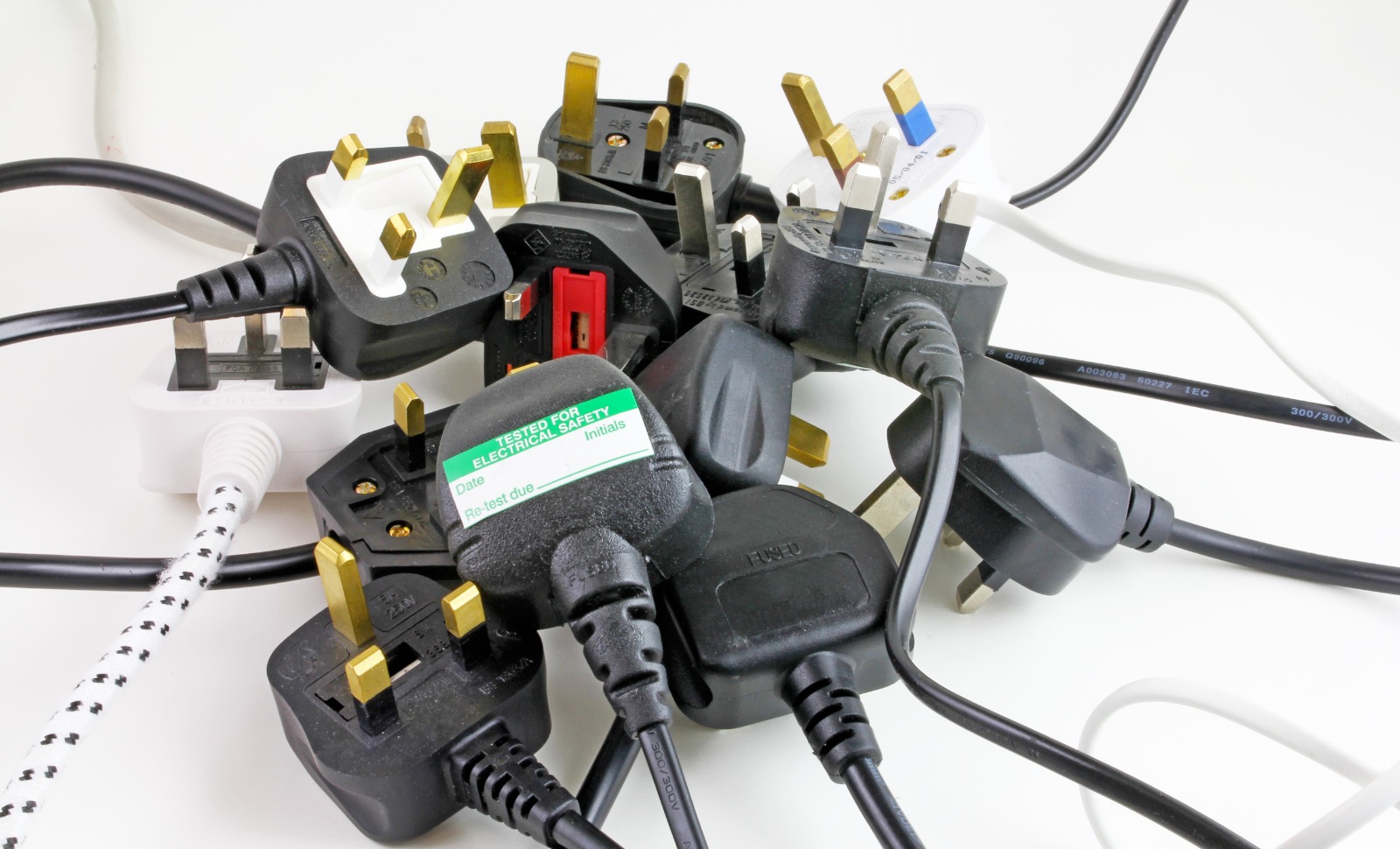
Once the testing has been completed, each appliance that passes receives a PAT testing label showing the date of inspection. A detailed report is then produced, listing the equipment tested and the results recorded during the inspection process. This documentation provides businesses with a clear record of the work completed and can be useful for health and safety management, internal audits, insurance requirements, and general record keeping. For many business owners and office managers, having clear documentation provides confidence that reasonable steps have been taken to maintain electrical safety within the workplace. PAT testing may seem like a simple task on the surface, but when carried out carefully and professionally it becomes an important part of maintaining a safe and efficient working environment. If you are based in Wokingham and need PAT testing for an office, workplace, childcare setting, or commercial premises, call 0118 430 0038 to discuss your requirements and arrange a convenient time that works around your business.