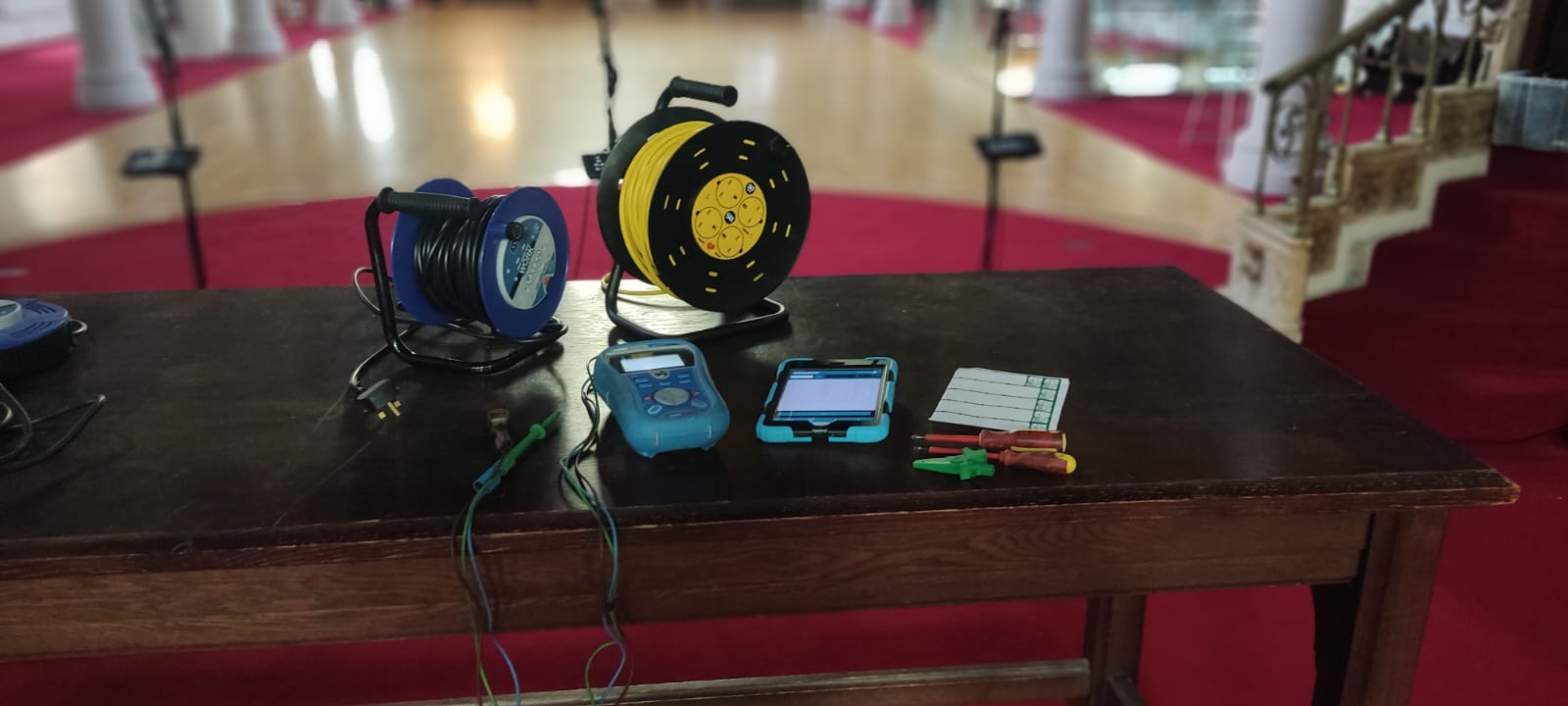

PAT testing is often associated with factories, workshops, construction sites, and busy commercial premises.
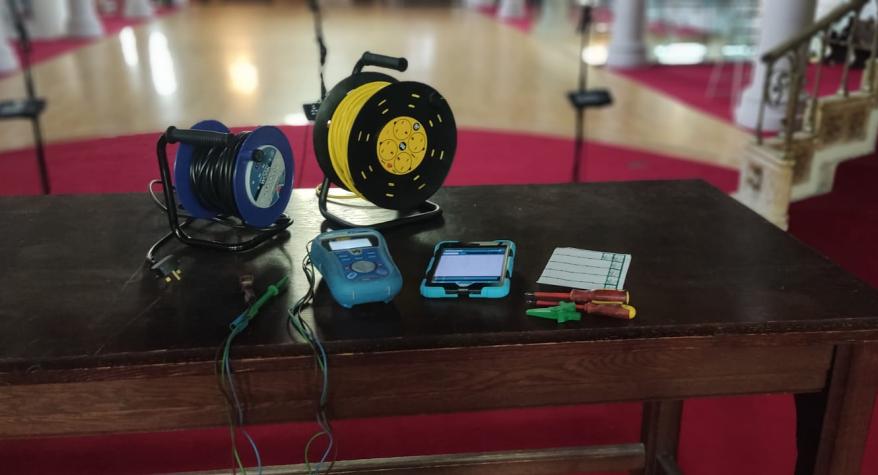
This particular project took place in London within a large church building that also housed several offices used by a church community organisation. While the church itself was naturally a place of worship, the office areas were busy working environments where staff relied on computers, monitors, printers, extension leads, chargers, and other electrical equipment every day. From a personal perspective, it was quite a pleasant place to work. The atmosphere was calm and peaceful, very different from many commercial buildings. For much of the testing I was working alone, occasionally crossing paths with other tradespeople carrying out maintenance and improvement works around the building. Despite the relaxed environment, the PAT testing process revealed several issues that could easily have gone unnoticed for much longer.
A Different Type of Workplace Environment
Every PAT testing project is slightly different depending on the type of building and how the equipment is used. In many office environments, equipment remains in the same location for years. Staff become familiar with their workstations and often stop noticing gradual deterioration of cables, plugs, and accessories. This church office environment was no different. Everything appeared well maintained on the surface, and there were no obvious concerns when first walking around the building. However, PAT testing is not only about identifying obvious defects. It is also about finding the smaller issues that develop over time before they become a potential safety risk. This is one of the reasons why periodic testing remains important, even in workplaces that appear safe and well organised.
Why Visual Inspections Are So Important
Many people assume that PAT testing is primarily about using specialised test equipment. While electrical testing is an important part of the process, visual inspections often reveal some of the most significant problems. During this project, several extension leads were found to have damaged cables. The interesting part was that the damage had occurred gradually through normal office use rather than misuse or neglect. Many of the desks had floor mounted sockets nearby, and extension leads were routed across areas where office chairs with castor wheels were used daily. Over time, the repeated movement of the chairs had worn away parts of the cable insulation. In some cases, the damage was significant enough that the extension leads failed the inspection and had to be removed from service immediately. Without PAT testing, these faults could easily have remained unnoticed because the equipment continued to function normally. Just because an appliance switches on does not necessarily mean it is safe.
If your office, workplace, church building, or community organisation has not had PAT testing carried out recently, call 0118 430 0038 to discuss your requirements. Regular testing can help identify hidden faults before they become a problem.
Common Problems Found in Office PAT Testing
One of the biggest misconceptions about PAT testing is that office environments rarely contain faults. In reality, offices often contain a surprisingly large number of portable electrical items, many of which are used every day. Laptop chargers, monitors, extension leads, docking stations, desk fans, printers, and mobile phone chargers are all subject to wear and tear over time. The failed extension leads discovered during this project were a good example of how seemingly harmless equipment can gradually become damaged through everyday use. Because the offices had not been PAT tested for a considerable period of time, several damaged items had remained in service longer than they should have. This does not mean anybody had been careless. In many cases, people simply do not notice the damage developing because it happens gradually and often underneath desks or behind furniture. Regular inspections help identify these issues before they create a safety concern.
Working Around Staff Without Disruption
One of the key parts of professional PAT testing is carrying out the work with minimal disruption to the people using the building. Although this project involved a relatively quiet office environment, there were still staff members working throughout parts of the building. Good communication is essential. Before disconnecting equipment, it is always important to check with the user first and ensure that no important work is interrupted. In environments where people rely on computers and communication systems throughout the day, a professional approach helps the testing process run smoothly while maintaining productivity. This is something that often goes unnoticed but makes a significant difference to the overall experience for the customer.
Creating a Safer Workplace Through PAT Testing
The purpose of PAT testing is not simply to produce a report or apply a sticker to equipment. The real objective is to create a safer working environment for everyone using the building. In this London church office project, several damaged extension leads were identified and removed from service before they had the opportunity to cause a more serious issue. That alone demonstrates the value of regular inspections. Electrical safety is often about identifying small problems before they become larger ones. Damaged cables, cracked plugs, worn extension leads, and faulty accessories can all develop gradually over time. Regular PAT testing provides reassurance that equipment remains safe to use and helps organisations demonstrate that they are taking reasonable steps to protect staff, volunteers, visitors, and members of the public.
Clear Reporting and Ongoing Peace of Mind
Once testing is completed, every item that passes receives a PAT testing label showing the inspection date. A detailed report is then produced listing all tested equipment, pass results, failed items, and relevant technical information. This provides a clear record of the condition of the equipment at the time of testing and allows organisations to maintain accurate safety records. For office managers, church administrators, and business owners, having this documentation available provides valuable peace of mind. If you are based in London and require PAT testing for offices, churches, community buildings, commercial premises, or workplace environments, call 0118 430 0038 to arrange a convenient visit and ensure your electrical equipment remains safe, compliant, and reliable.